


Top 5 Ways to Reduce Your Carbon Footprint
- lierre
- Jan 12
- 4 min read
The urgency of climate change has never been more apparent. As individuals, we have the power to make choices that can significantly reduce our carbon footprint. By adopting sustainable practices in our daily lives, we can contribute to a healthier planet. Here are the top five ways to reduce your carbon footprint effectively.
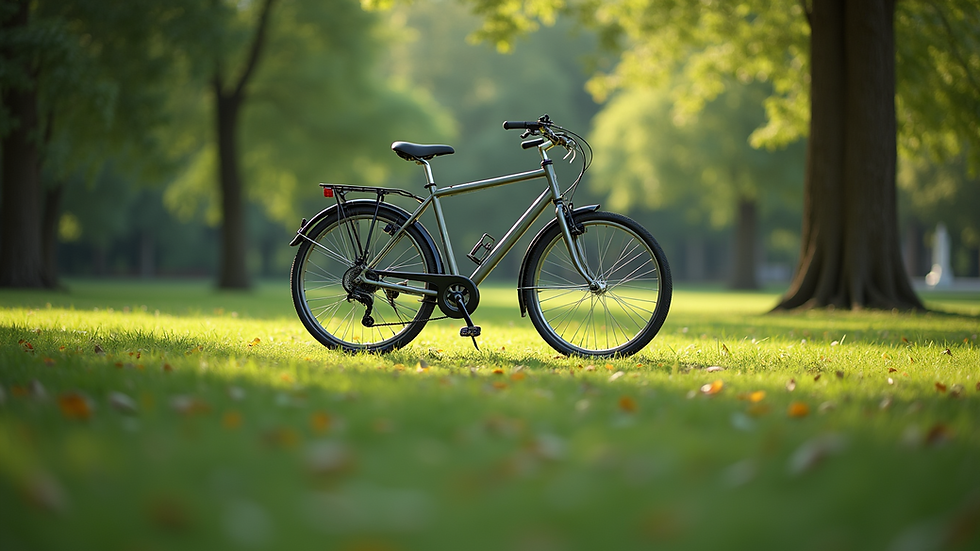
1. Embrace Sustainable Transportation
Transportation is one of the largest contributors to greenhouse gas emissions. By changing how we travel, we can make a substantial impact.
Choose Public Transport
Using public transportation instead of driving can significantly cut down on emissions. Buses and trains can carry many passengers at once, reducing the number of vehicles on the road. For example, a single bus can replace dozens of cars, leading to less traffic congestion and lower emissions.
Opt for Biking or Walking
For shorter distances, consider biking or walking. Not only does this reduce your carbon footprint, but it also promotes a healthier lifestyle. Many cities are investing in bike lanes and pedestrian-friendly areas, making it easier to choose these options.
Carpool or Share Rides
If public transport isn't an option, consider carpooling with friends or colleagues. This not only reduces the number of cars on the road but also saves money on fuel. Ride-sharing apps can also facilitate this, allowing you to connect with others heading in the same direction.
2. Reduce Energy Consumption at Home
Our homes are significant sources of carbon emissions, primarily due to energy use. Here are some practical steps to minimize energy consumption.
Switch to Energy-Efficient Appliances
Investing in energy-efficient appliances can lead to substantial savings on your energy bills and reduce your carbon footprint. Look for the ENERGY STAR label when purchasing new appliances. These products use less energy without sacrificing performance.
Use Smart Thermostats
Smart thermostats can help manage your heating and cooling systems more efficiently. By learning your schedule, they can adjust temperatures automatically, ensuring that energy is not wasted when you're not home.
Unplug Devices
Many devices continue to draw power even when turned off. This phenomenon, known as "phantom load," can account for a significant portion of your energy bill. Unplug devices when not in use or use power strips to easily turn off multiple devices at once.
3. Adopt a Plant-Based Diet
The food we eat has a considerable impact on our carbon footprint. Animal agriculture is a leading cause of greenhouse gas emissions, deforestation, and water consumption. Here’s how you can make a difference through your diet.
Incorporate More Plant-Based Meals
Transitioning to a plant-based diet doesn't mean you have to give up meat entirely. Start by incorporating more plant-based meals into your week. Meatless Mondays, for example, can be a great way to begin.
Choose Local and Seasonal Produce
Buying local and seasonal produce reduces the carbon footprint associated with transporting food long distances. Farmers' markets are excellent places to find fresh, local options. Additionally, seasonal produce is often more affordable and tastier.
Reduce Food Waste
Food waste contributes to greenhouse gas emissions when it decomposes in landfills. Plan your meals, store food properly, and use leftovers creatively to minimize waste. Composting is another great way to reduce waste and enrich your garden.
4. Conserve Water
Water conservation is often overlooked in discussions about carbon footprints, but it plays a crucial role. The energy required to pump, heat, and treat water contributes to greenhouse gas emissions.
Fix Leaks Promptly
A dripping faucet may seem minor, but it can waste gallons of water over time. Regularly check for leaks in your home and fix them promptly to conserve water.
Use Water-Efficient Fixtures
Installing water-efficient fixtures, such as low-flow showerheads and faucets, can significantly reduce water usage. These fixtures maintain water pressure while using less water, helping you save both water and energy.
Collect Rainwater
If possible, consider setting up a rainwater collection system. This water can be used for watering plants, washing cars, or other non-potable uses, reducing your reliance on municipal water sources.
5. Support Renewable Energy
Transitioning to renewable energy sources is essential for reducing our carbon footprint on a larger scale. Here are ways you can support this transition.
Choose Green Energy Providers
Many utility companies offer green energy options that source electricity from renewable resources like wind, solar, and hydro. Switching to a green energy provider can significantly reduce your carbon footprint.
Invest in Solar Panels
If feasible, consider installing solar panels on your home. While the initial investment can be high, solar panels can lead to long-term savings on energy bills and increase your home's value.
Advocate for Renewable Energy Policies
Support policies and initiatives that promote renewable energy at the local, state, and national levels. Engaging with your community and advocating for sustainable practices can help drive change.
Conclusion
Reducing your carbon footprint is not just a personal responsibility; it is a collective effort that requires commitment and action. By embracing sustainable transportation, conserving energy, adopting a plant-based diet, conserving water, and supporting renewable energy, you can make a meaningful impact. Every small change counts, and together, we can create a healthier planet for future generations. Start today by implementing one or more of these strategies and inspire others to join you on this journey toward sustainability.


My purpose in conserving things are to conserve so as nature will benefit or conserve for the benefit of future human generations. Neither of these apply to conserving urban tap water. Water is a renewable resource, renewed each good wet season. No dams will be demolished so that rivers can again run free by intensifying urban water conservation. Instead we are urged to conserve urban tap water so that more people can be squeezed into a city for the benefit of developers and ultimately therefore to the detriment of conservation of non-renewable resources. David Kault, Townsville, Australia
( 1 ) The ''greenhouse gases'' theory of climate is a myth. Anyone who has done a lot of camping knows that cloudy nights are warmer than clear nights. Water vapor has about 100 times the greenhouse effect of CO2 and there is about 100 times as much of it in any cubic meter of atmosphere, so there is around 10,000 times as much greenhouse effect from water vapor in the air as from CO2. Any greenhouse effect from CO2 would be so small as to be undetectable.
( 2 ) In the late Middle Ages the climate was several degrees warmer than it is now and all life flourished. And in the Climatic Optimum period, about 6,000 to 8,000…